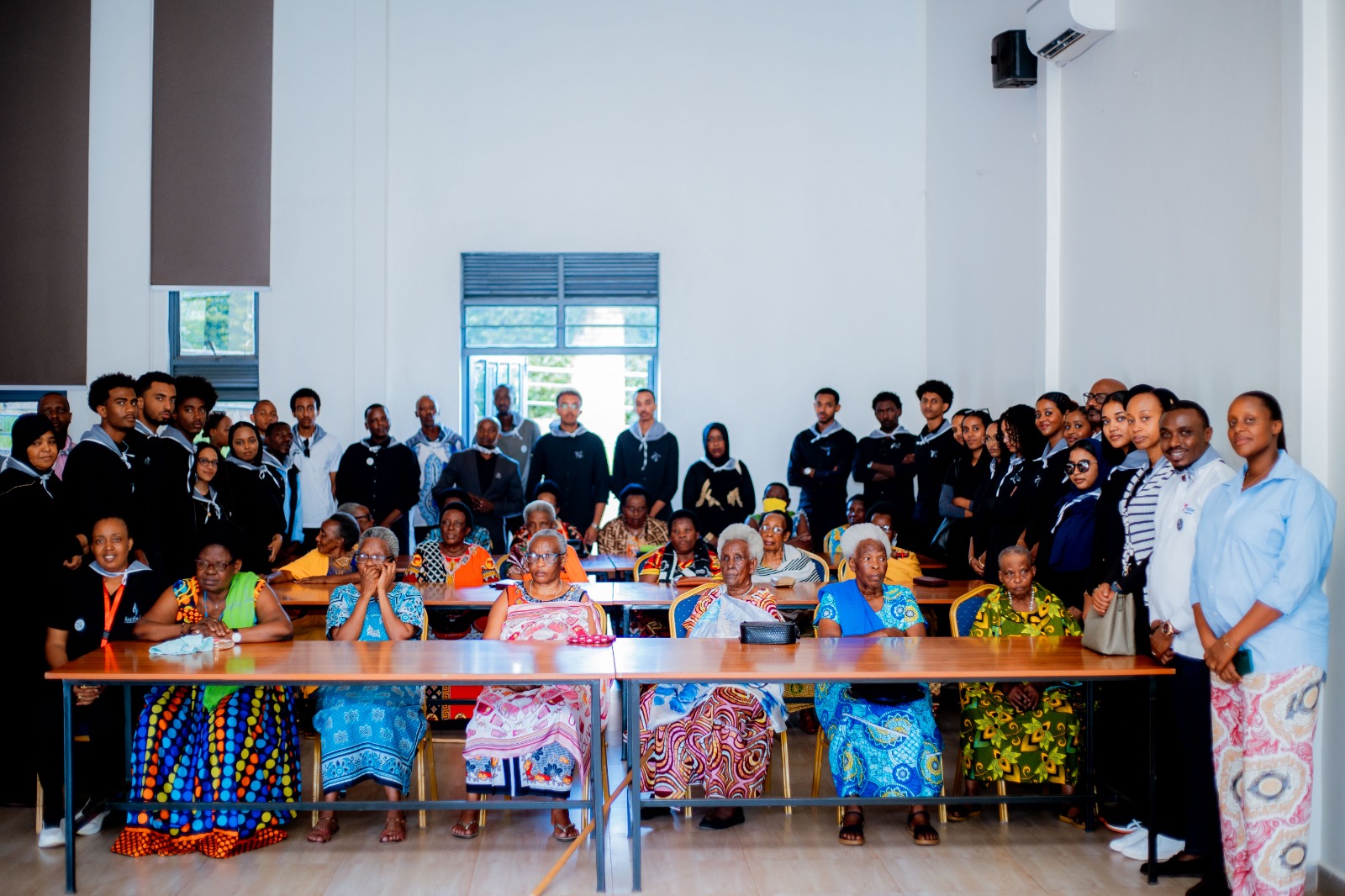
The University of Medical Sciences and Technology (UMST) community, including faculty, staff, and students, on 22 May 2026, visited the Ntarama Genocide Memorial to honor the victims of the 1994 Genocide against the Tutsi and reaffirm the importance of remembrance, unity, and education.
Located in Bugesera District, the memorial stands as one of Rwanda’s most significant sites of remembrance, preserving the memory of thousands of innocent lives lost during the genocide. Once a place of refuge during the genocide, the church at Ntarama became the site of a horrific massacre during the 1994 Genocide against the Tutsi. Today, it serves as a solemn reminder of the devastating consequences of hatred and division, while also carrying a powerful message of resilience, truth, and hope for future generations.
During the visit, members of the UMST community reflected on Rwanda’s history and the collective responsibility to preserve truth, reject genocide ideology, and promote peace and unity. The delegation was guided through the memorial, where preserved artifacts and testimonies continue to educate visitors about the tragic events that unfolded in 1994.
As part of the commemoration activities, the UMST community also visited Intwaza elderly survivors of the Genocide against the Tutsi who lost their families during the atrocities. The visit was an opportunity to offer comfort, solidarity, and support while listening to stories of courage and resilience that continue to inspire future generations.
The university emphasized that remembrance is not only about honoring the past, but also about strengthening the values of humanity, compassion, and reconciliation. Through such initiatives, UMST reaffirms its commitment to learning from history, standing against division and hatred, and contributing to a future built on unity and dignity for all.
The visit concluded with a renewed call for collective responsibility in preserving memory, supporting survivors, and ensuring that the lessons of the Genocide against the Tutsi continue to educate and inspire generations to come.